

Overview
M.Sc. Computer Science under Pokhara University is a 2‑year (4‑semester) postgraduate program that provides advanced knowledge in core computer science areas. It focuses on both theoretical foundations and practical applications of computing, including software engineering, data science, artificial intelligence, and system design. The program prepares students for careers in IT, research, and higher studies.
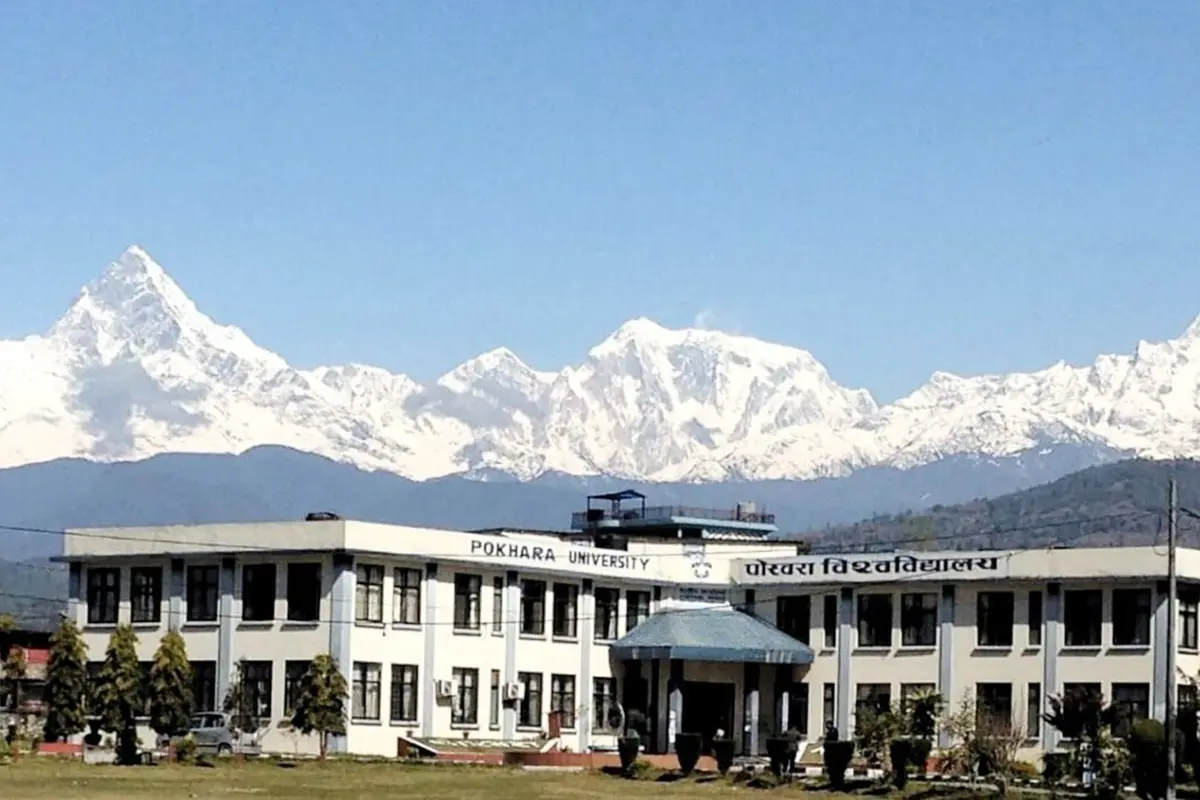
-
Course Info
Affilation Pokhara University (PU) Duration 2 Years Institute Type College Average Fees Incurred Approximately NPR 3 – 5 Lakhs for the full program (varies by college) Average Salary Offered Starting: NPR 40,000 – 1,00,000 per month (depends on role & experience) Employment Roles Graduates of M.Sc. Computer Science can work as:
- Software Developer / Engineer
- Data Analyst / Scientist
- System Analyst
- Database Administrator
- Network Engineer
- AI / Machine Learning Engineer
- Mobile / Web Application Developer
- IT Consultant
- Research Assistant
-
Admission Criteria
- Must submit the application form as per Pokhara University guidelines
- Selection usually based on entrance exam + academic merit
- Some affiliated colleges under Pokhara University may conduct interviews or additional assessments
-
Salient Features
- Advanced coverage of core computer science topics
- Balanced emphasis on theory, practice, and project work
- Includes research project or thesis in the final semester
- Prepares students for both industry and research careers
-
Eligibility
- Must submit the application form as per Pokhara University guidelines
- Selection usually based on entrance exam + academic merit
- Some affiliated colleges under Pokhara University may conduct interviews or additional assessments
-
Job Prospectus
- IT and software firms
- Tech startups
- Telecom and networking companies
- Banks and financial institutions (tech roles)
- Research labs and academic institutions
- Multinational corporations
- Government IT departments
-
Curricular Structure
Semester 1 – Foundations & Core Courses
- Advanced Algorithms – Design, analysis, and optimization of algorithms
- Software Engineering – Software development life cycle, project management
- Database Systems – Advanced relational databases, SQL, normalization
- Operating Systems – Process management, memory management, file systems
- Programming Lab / Practical – Hands-on coding and software projects
Semester 2 – Advanced Computing & Specialized Topics
- Computer Networks – Networking protocols, architecture, and security
- Artificial Intelligence – AI concepts, expert systems, search strategies
- Data Structures & Object-Oriented Design – Complex data structures, OOP principles
- Elective I – Optional specialized course (e.g., Cloud Computing, IoT, Big Data)
- Programming Lab / Simulation – Applied coding exercises in AI, networking
Semester 3 – Advanced & Emerging Areas
- Machine Learning / Data Science – Predictive modeling, supervised & unsupervised learning
- Web & Mobile Application Development – Modern frameworks and mobile platforms
- Elective II – Optional specialization course (e.g., Cybersecurity, NLP, Image Processing)
- Project Work / Mini-Project – Industry-oriented or research-focused mini-project
Semester 4 – Research & Thesis
- Final Project / Thesis – Independent research in an area of computer science
- Research Methodology – Literature review, research design, methodology
- Seminars / Presentations – Thesis defense and project demonstrations
- Publication / Conference Submission – Encouraged for quality research output

Interested in this course?
Apply NowApply For Master of Science in Computer Science (M.Sc. Computer Science)
 Submitting Form.....