

Overview
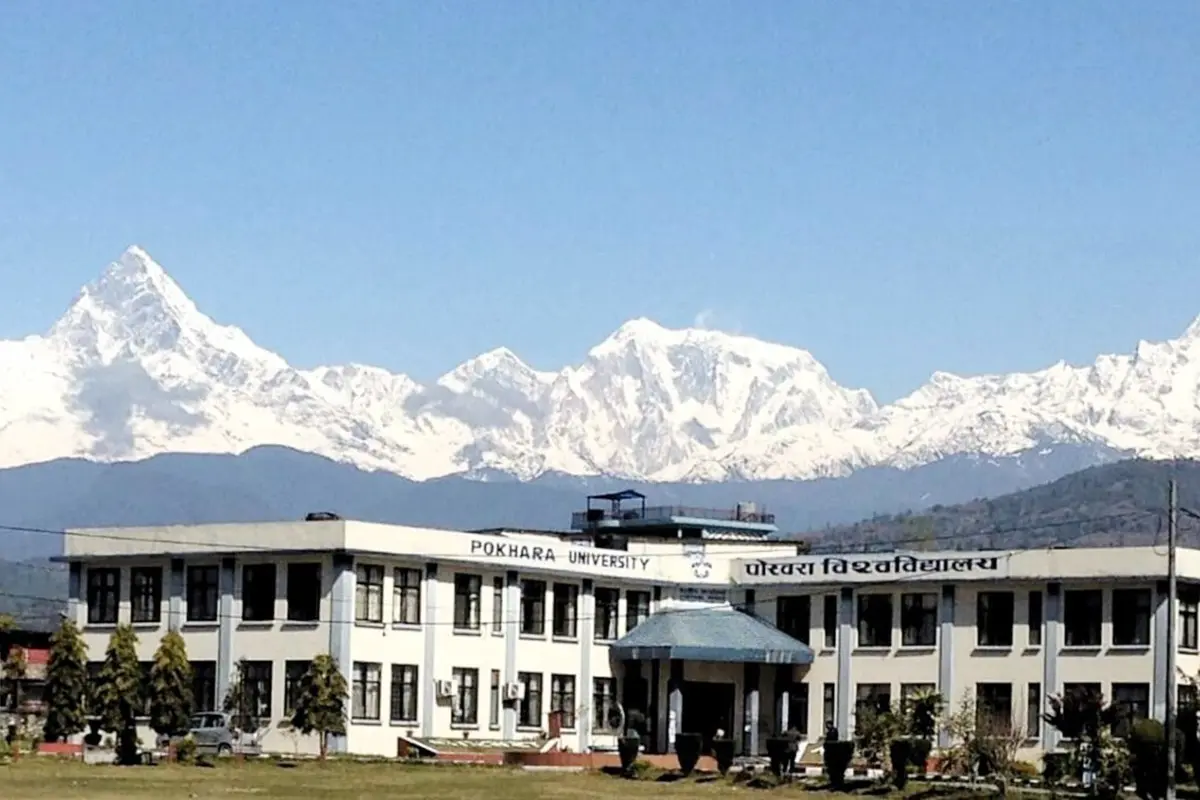
M.Sc. Information System Engineering (ISE) is a 2‑year (4‑semester) postgraduate program designed to provide advanced knowledge and practical skills in information systems, software engineering, business process integration, data analytics, and IT management. It blends engineering principles with IT system design to prepare students for careers in system analysis, enterprise solutions, and information technology leadership.
-
Course Info
Affilation Pokhara University (PU) Duration 2 Years Institute Type College Average Fees Incurred Approximately NPR 3 – 5 Lakhs for the full program (varies by college or institute) Average Salary Offered Starting: NPR 45,000 – 1,00,000 per month (varies with role and experience) Employment Roles Graduates of M.Sc. ISE can work as:
- IT Systems Analyst
- Enterprise Architect
- Software Engineer / Developer
- Data Analyst / BI Specialist
- IT Project Manager
- Information Systems Consultant
- Network & Systems Administrator
- Technical Lead / Solutions Architect
- Research Assistant
-
Admission Criteria
Submission of application form as per Pokhara University guidelines
Admission typically based on entrance exam + academic merit
Some colleges may conduct interviews or assessments after the entrance test
-
Salient Features
Focus on design, development, and management of information systems
Includes software engineering, systems analysis, data analytics, networking, and IT project management
Blends theory with practical projects and labs
Prepares students for industry, management, and research roles
Final semester includes research project or thesis
-
Eligibility
Bachelor’s degree in IT, Computer Science, Computer Engineering, Engineering, Science, or related field
Minimum CGPA 2.0 / Second Division or equivalent from a recognized university
Candidates from related backgrounds may be required to complete deficiency or bridging courses
-
Job Prospectus
IT Systems Analyst
Enterprise Architect
Software Engineer / Developer
Data Analyst / BI Specialist
IT Project Manager
Information Systems Consultant
Network & Systems Administrator
Technical Lead / Solutions Architect
Research Assistant
-
Curricular Structure
Semester 1 – System Foundations & Core Skills
- Advanced Software Engineering – Software development life cycle, quality assurance, process models
- Information Systems Analysis & Design – Requirements gathering, modeling, and system design
- Database Systems & Management – Advanced DBMS, SQL, normalization, distributed databases
- Mathematical Foundations for Engineering – Applied mathematics for system modeling
- Practical Lab / System Development – Hands‑on implementation of software projects
Semester 2 – Enterprise & System Integration
- Enterprise Architecture & System Integration – ERP, system interoperability
- Computer Networks & Communications – Network protocols, security, and design
- Human‑Computer Interaction (HCI) – User experience, interface design principles
- Data Analytics & Visualization – Data mining, visualization tools, reporting systems
- Elective I – Specialized topic (e.g., Cloud Systems, IoT)
Semester 3 – Advanced IT Engineering & Analytics
- Business Process Modelling & Optimization – BPMN, process improvement strategies
- Web & Mobile Systems Development – Modern frameworks, responsive design, APIs
- Information Security & Risk Management – Security policies, risk assessment, defense systems
- Elective II – Specialized topic (e.g., Big Data, AI for Systems)
- Project Work / Mini Project – Real‑world system development or analysis
Semester 4 – Research & Thesis
- Research Methodology & Technical Writing – Research design, documentation skills
- Final Project / Thesis – Independent research or system engineering project
- Seminar & Defense – Presentation and defense of project results
- Publication / Conference Work (optional) – Encouraged for quality research output
Elective Options (Examples)
- Cloud Computing & Virtualization
- Big Data Analytics
- Internet of Things (IoT)
- Enterprise IT Governance
- Machine Learning Applications in Systems
- Cybersecurity Management

Interested in this course?
Apply NowApply For Master of Science in Information System Engineering (M.Sc. ISE)
 Submitting Form.....